


General Motors (GM) has offered us an exciting glimpse into the next chapter of the iconic Chevrolet Corvette with its recently revealed EV concept. Crafted by GM’s cutting-edge design studio in Royal Leamington Spa, UK, this concept reimagines what a Corvette can be in the era of electrification. What makes this announcement especially groundbreaking is the concept’s seamless blend of futuristic innovation with the rich legacy of the Corvette, all while showcasing GM's broader commitment to electric vehicles and global expansion.
A Corvette Unlike Any Other
The Chevrolet Corvette EV concept represents a clear departure from tradition while staying true to the Corvette's DNA. The design team approached this project with a clean slate, imagining a Corvette for the electric age. The result is a vehicle that feels like the natural evolution of a modern supercar while boldly stepping into uncharted territory.
Exterior Design Inspired by History and Progress
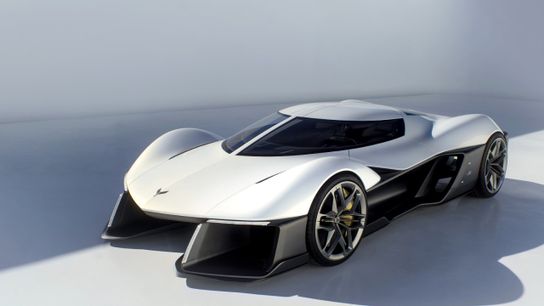
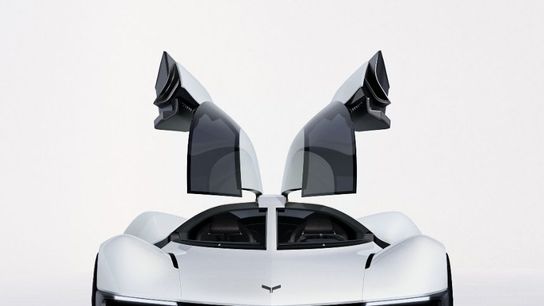
From the outside, the electric Corvette is a striking marriage of classic Corvette elements and forward-thinking design. The split rear window is an unmistakable nod to the legendary 1963 Corvette Stingray, reminding us that heritage remains a key design driver for the brand. Yet, when you take a step back and soak in the vehicle's futuristic silhouette, you’ll notice how deeply it leans into hypercar aesthetics, taking subtle inspiration from Ferrari and Porsche, particularly with its gullwing doors that elevate the car’s sophistication.
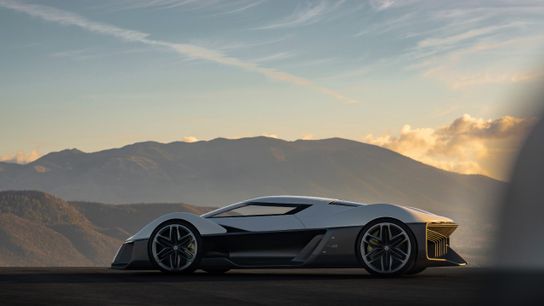
The car's body is divided into two distinct sections. The upper section reflects the Corvette's classic lineage, with smooth, flowing forms that give it a timeless appeal. On the other hand, the lower section features bold technical designs, allowing for the integration of next-generation EV battery architecture and functional aerodynamic elements. Additive manufacturing (or 3D printing) has been used extensively for the body structure, reducing weight, improving agility, and simplifying manufacturing. These elements coalesce beautifully to create a machine that feels cohesive yet proudly experimental.
Focusing on Apex Vision
One of the most fascinating features of the concept is something GM calls Apex Vision. This innovative design element enhances driver and passenger visibility through an expansive wrap-around glass system. Taking inspiration from the aviation industry, the glass design and the singular vertical "spine" running through the windshield provide a panoramic, almost cockpit-like view of the road. This feature does more than just improve visibility; it becomes part of the vehicle’s structural integrity while also paying homage to the central "split window" emphasis of past Corvettes.
Aerodynamics Reimagined
Aerodynamics has always been an essential pillar of the Corvette’s performance identity, and this EV concept takes that philosophy to new heights. GM’s design team developed a system of "Aero-Duality", which uses active airflow management to adapt the vehicle dynamically for both on-track performance and everyday road efficiency.
On the track, when the car needs maximum control and downforce, deployable dorsal fins and reconfigured aerodynamic surfaces dramatically enhance cornering and stability. At lower speeds or during daily use, airflow is directed seamlessly through the car’s intakes and underbody, optimizing both range and efficiency. This dual-purpose approach ensures that the Corvette remains exhilarating on the racetrack while still practical and efficient for real-world driving.
Interior Minimalism with High-Tech Innovation
Inside, the Corvette EV concept keeps things sleek and modern. The minimalist interior prioritizes functionality without sacrificing comfort. The standout feature is the augmented-reality head-up display, which projects key driving information directly onto the windshield spar, beautifully blending technology with design innovation. The seating, inspired by racing cars, is molded directly into the structure of the vehicle for ultimate support and reduced weight.
This interior design reflects GM’s vision for providing drivers with an immersive, technology-forward experience, perfectly complementing the car's advanced EV platform.
A Celebration of Engineering Excellence
At 4,669 mm in length, 2,178 mm in width, and only 1,033 mm in height, the Corvette EV concept has dimensions that mirror the proportions of exotic, track-focused hypercars like the Ferrari SF90 Stradale. Going beyond looks and size, the engineering beneath the surface is where this car truly shines. The lightweight chassis benefits from pushrod suspension, inspired by racecar technology, and every aspect of the structure has been meticulously designed for improved weight distribution and responsiveness.
The integration of a low, aerodynamic body and advanced EV technology signals GM’s commitment to crafting an entirely new driving experience, one that uses electricity not just for efficiency but for exceptional performance.
The Role of the UK Design Studio
The debut of this Corvette concept also marks the grand opening of GM’s new advanced design studio in Royal Leamington Spa, UK. Spread across 24,584 square feet, this state-of-the-art facility is the latest addition to GM’s global design network, joining studios in Detroit, Los Angeles, Shanghai, and Seoul. Headed by Julian Thomson, formerly of Jaguar and Lotus, the UK studio brings fresh European perspectives to a brand deeply rooted in American automotive culture.
The decision to set up this studio demonstrates GM’s intent to expand Corvette's influence beyond U.S. borders into new markets, especially Europe. The studio’s focus on advanced design allows it to work years, even decades, ahead of current production vehicles. This forward-thinking philosophy is already evident in the Corvette EV concept.
The Bigger Picture for Corvette and GM
Historically, the Corvette nameplate has been at the forefront of experimentation for GM, and this concept is no exception. It challenges perceptions of what a Corvette can be, offering a vision that places the brand within the growing electric supercar conversation. GM's approach reflects a careful balance of honoring past legacy while remaining unafraid to innovate.
Although GM insists this concept has no immediate production plans, it’s likely to shape the future of the Corvette lineup in significant ways. Considering GM’s broader ambitions to electrify its fleet, the lessons learned from this concept will undoubtedly influence future designs.
Additionally, the move toward electrification aligns with GM’s global strategy. Europe, in particular, is a crucial market for EV growth, and the establishment of a Corvette design studio in the UK is a signal of intent. By tailoring products to European tastes and leveraging advanced EV technologies, GM is positioning itself not only for success in established markets but also in emerging ones.
Why This Concept Matters
The Corvette EV concept is more than just a car; it’s a statement. It’s a symbol of GM’s commitment to innovation, sustainability, and global collaboration. It challenges what we think we know about Corvette while building excitement for the possibilities ahead. For automotive enthusiasts, this concept signals an exciting future where Corvettes can remain thrilling, high-performance machines, even as the world shifts to electric mobility.